How to Choose Safe Drinking Water at Home (Complete Guide) | Ormax Pure
Introduction
Safe drinking water is essential for a healthy life, yet many households unknowingly consume contaminated water. Whether your source is tap water, borewell, or tanker supply, impurities like bacteria, chemicals, and heavy metals can pose serious health risks.
In this complete guide, you’ll learn how to choose safe drinking water for your home, what to check, and how Ormax Pure can help ensure your family’s safety.
1. Understand Your Water Source
Before choosing a solution, identify your water source:
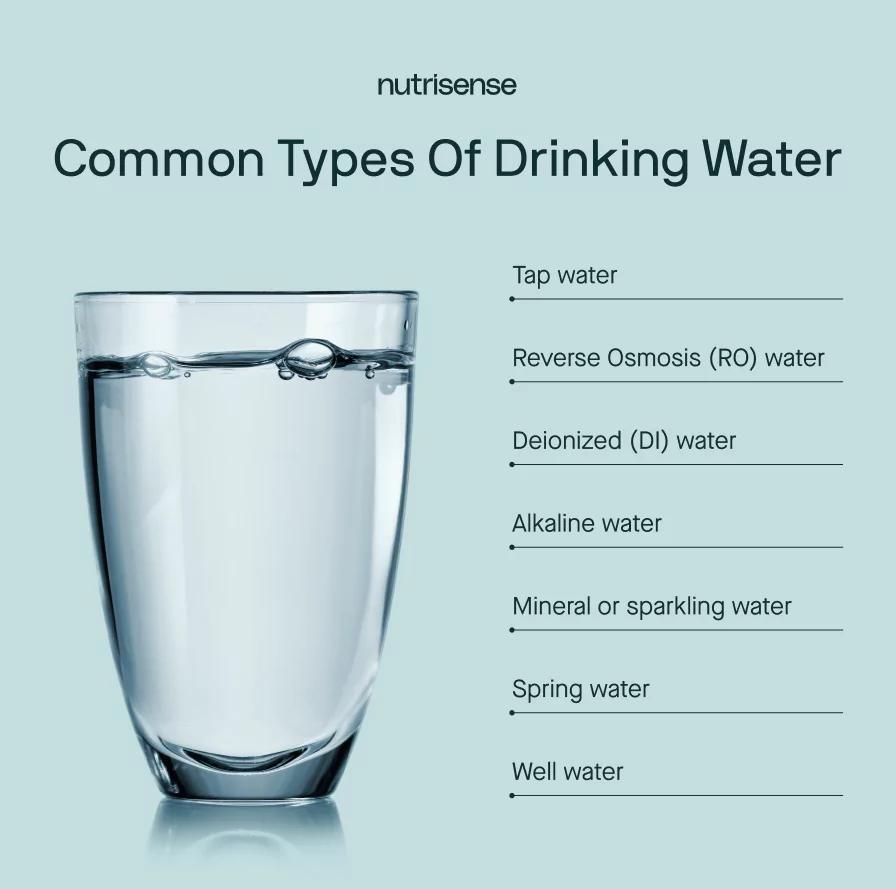
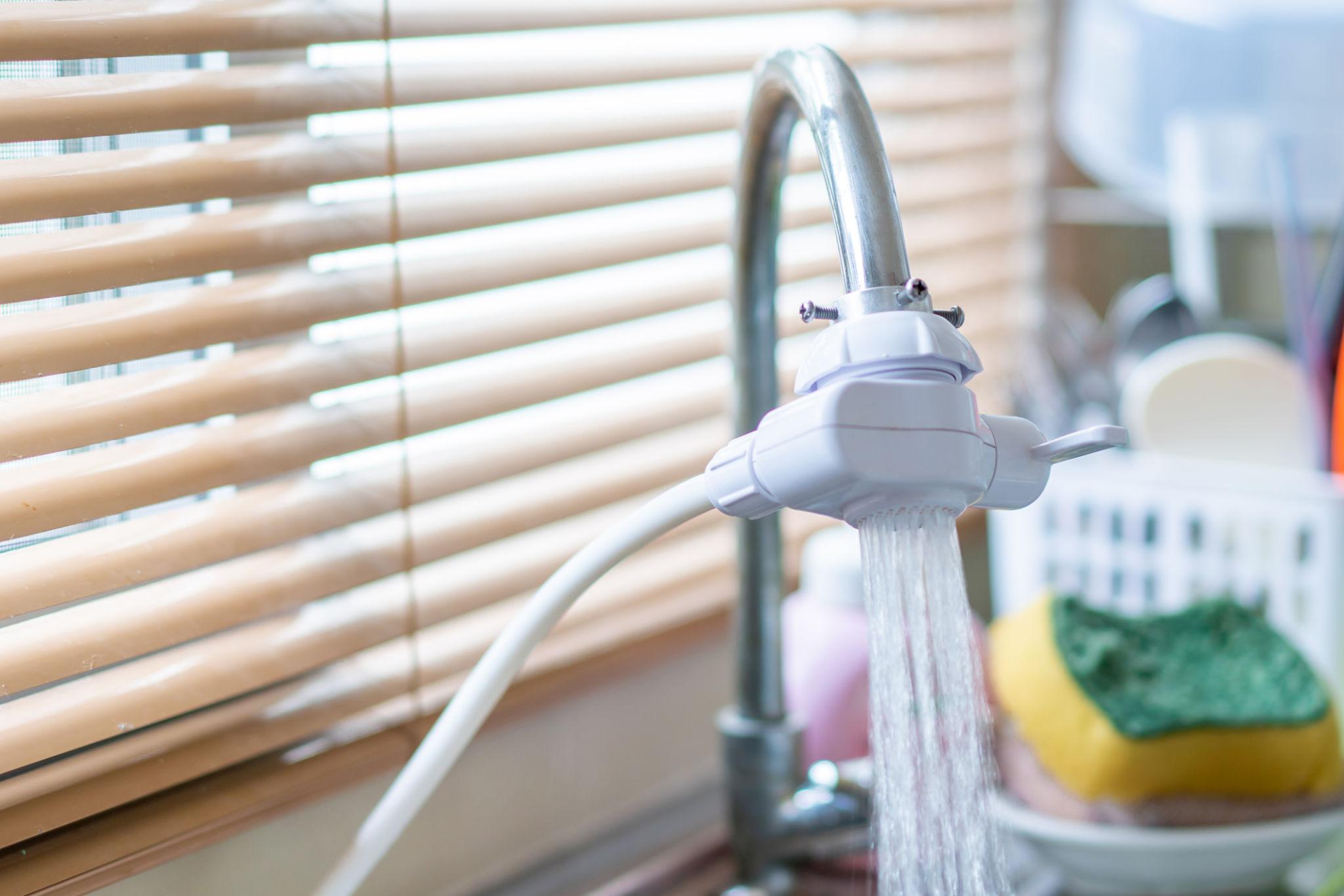
Tap water (municipal) – May contain chlorine and chemicals
Borewell water – Often has high TDS (hard water)
Tanker water – Quality varies, often contaminated
👉 Knowing your source helps you choose the right purification method.
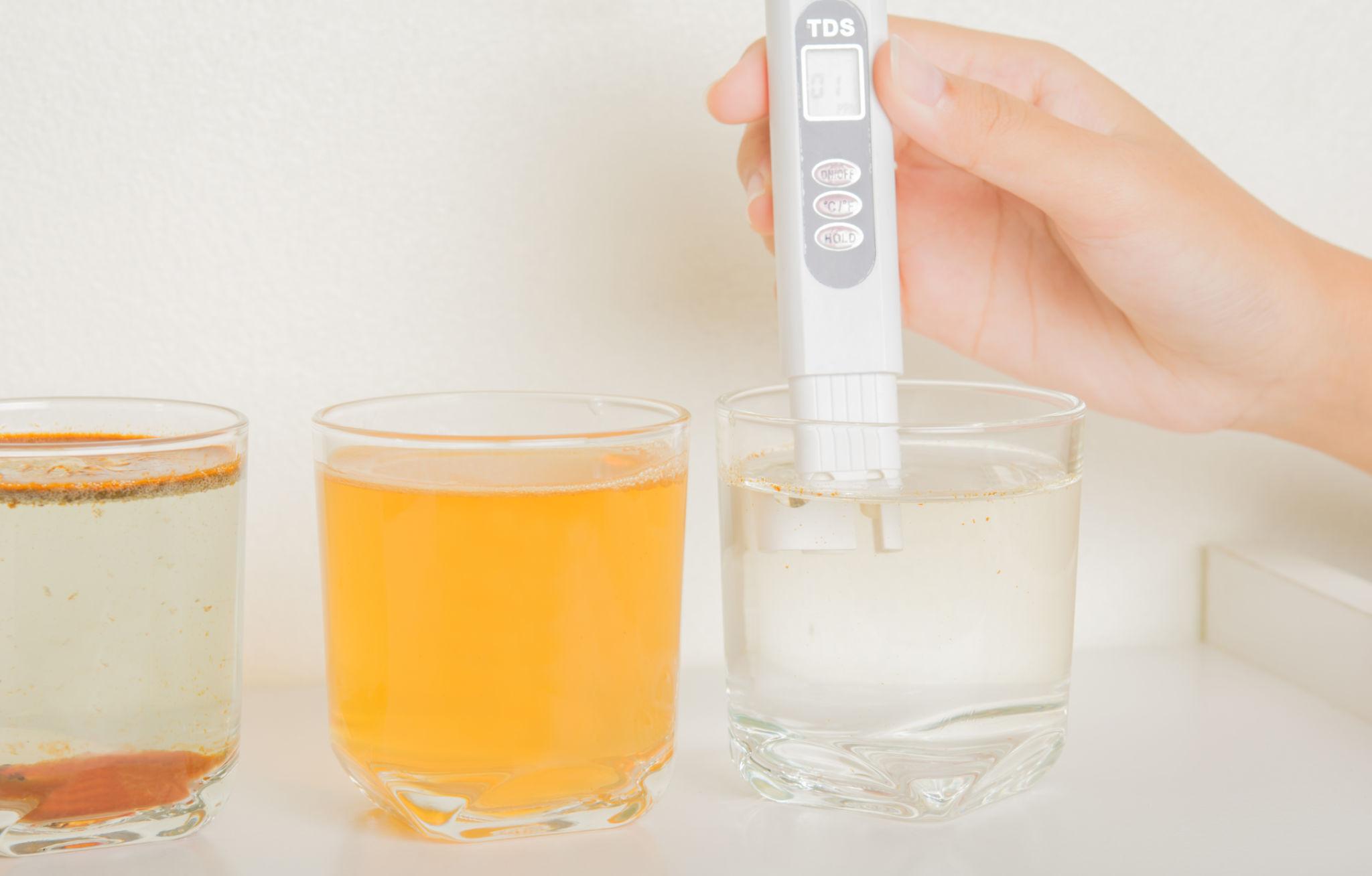
2. Check Water Quality (TDS Level)
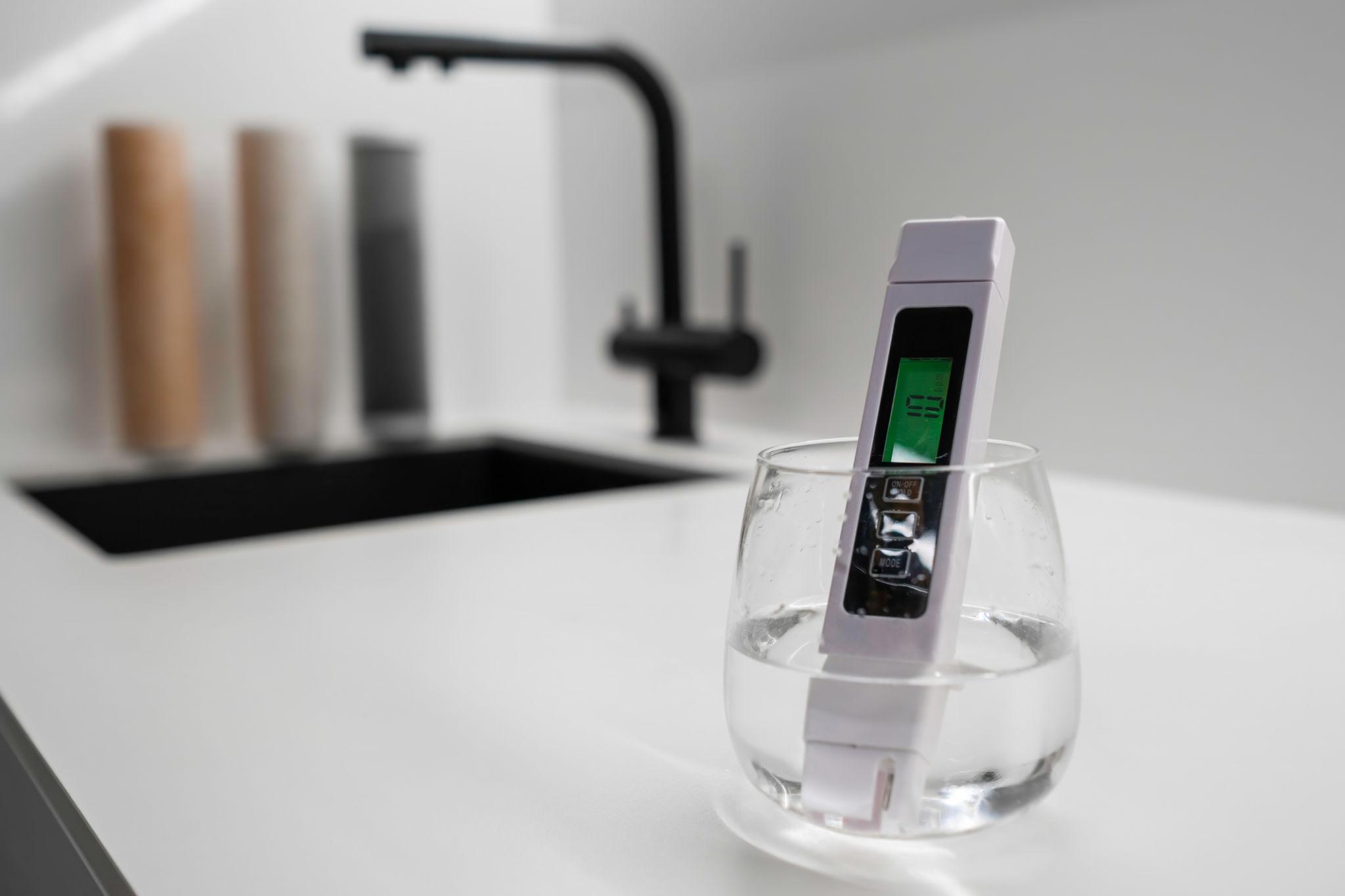
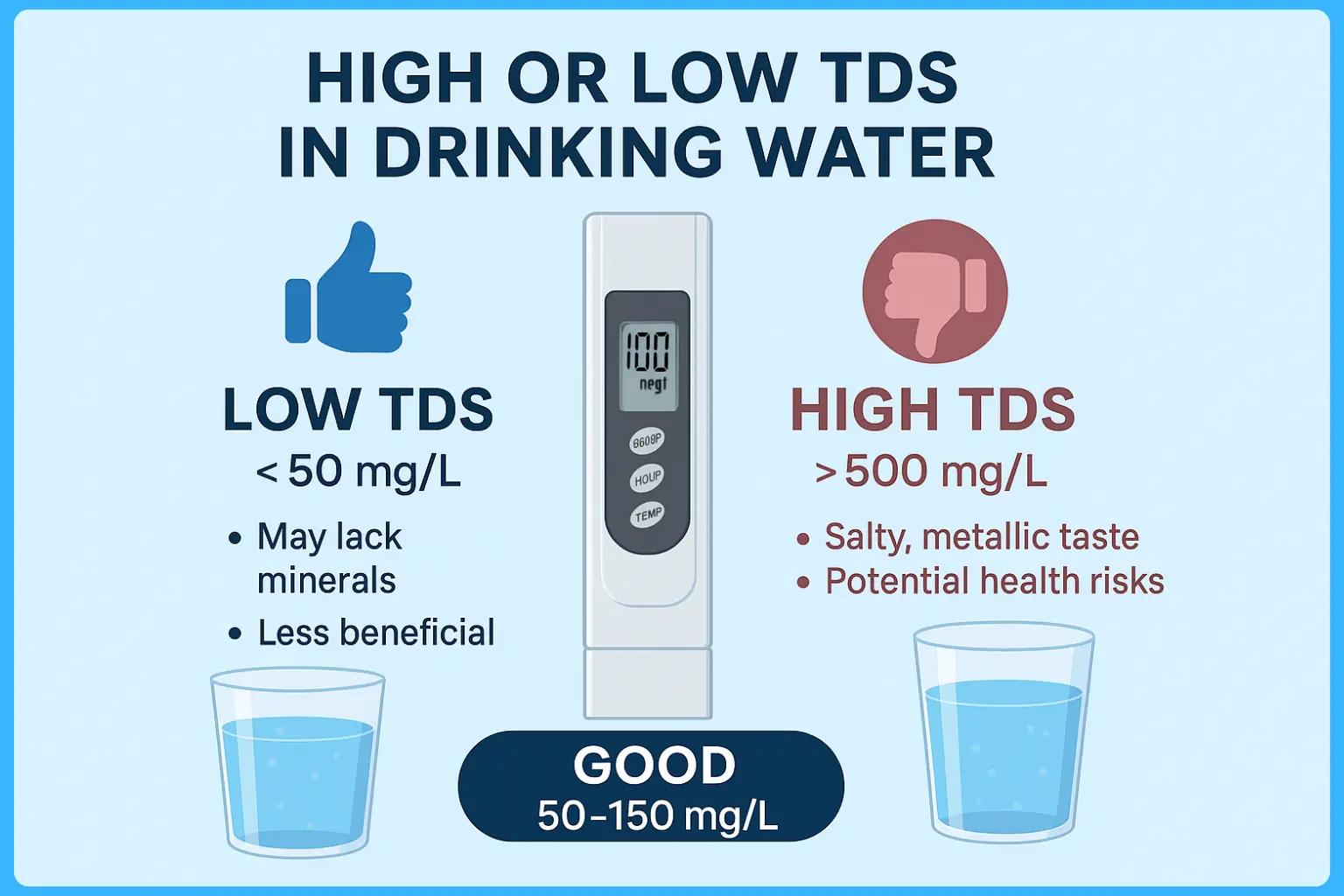
TDS (Total Dissolved Solids) indicates water purity.
Below 300 ppm → Generally safe
300–600 ppm → Acceptable
Above 600 ppm → Needs purification
👉 A simple TDS meter can help you understand your water quality instantly.
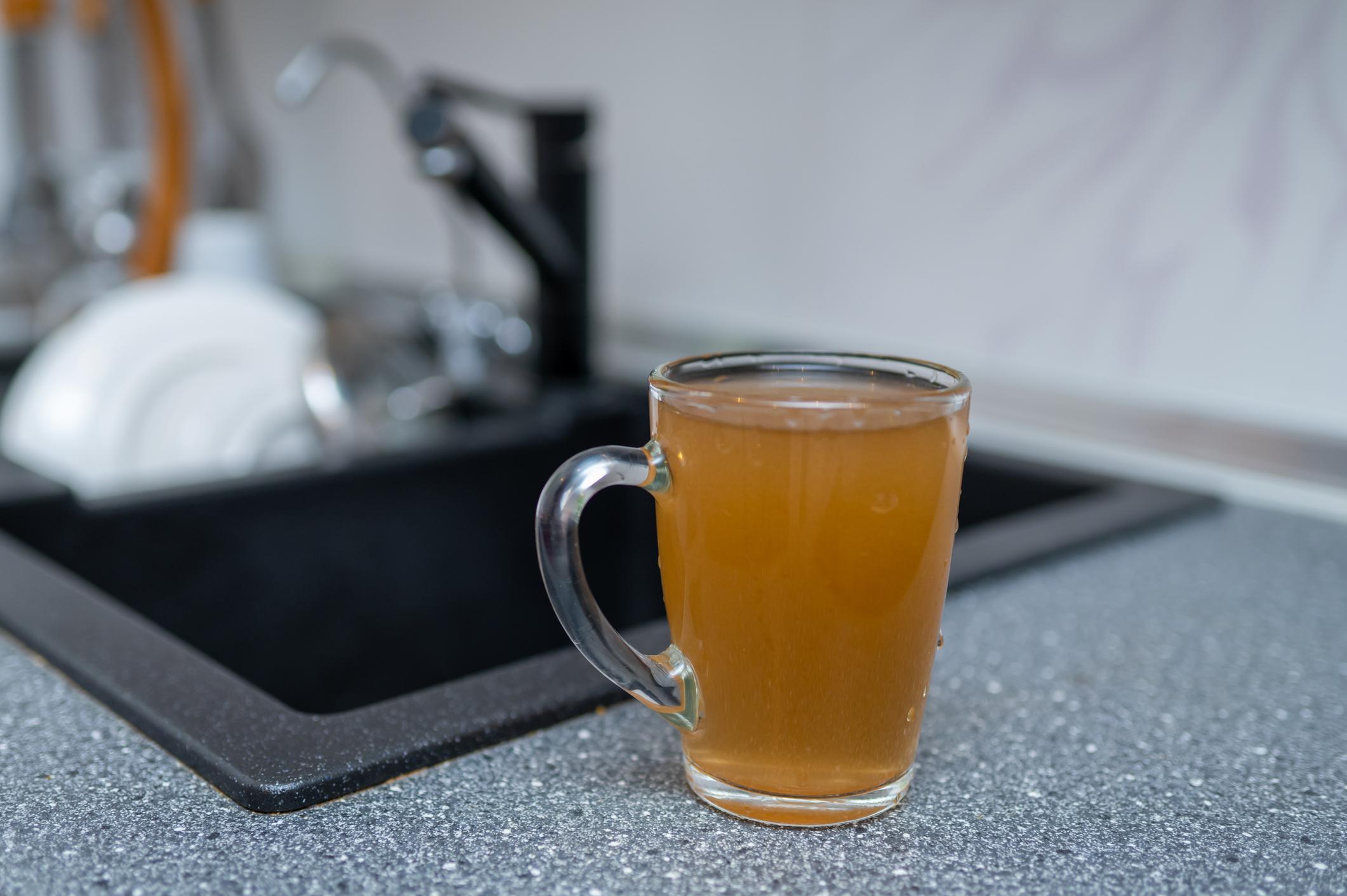
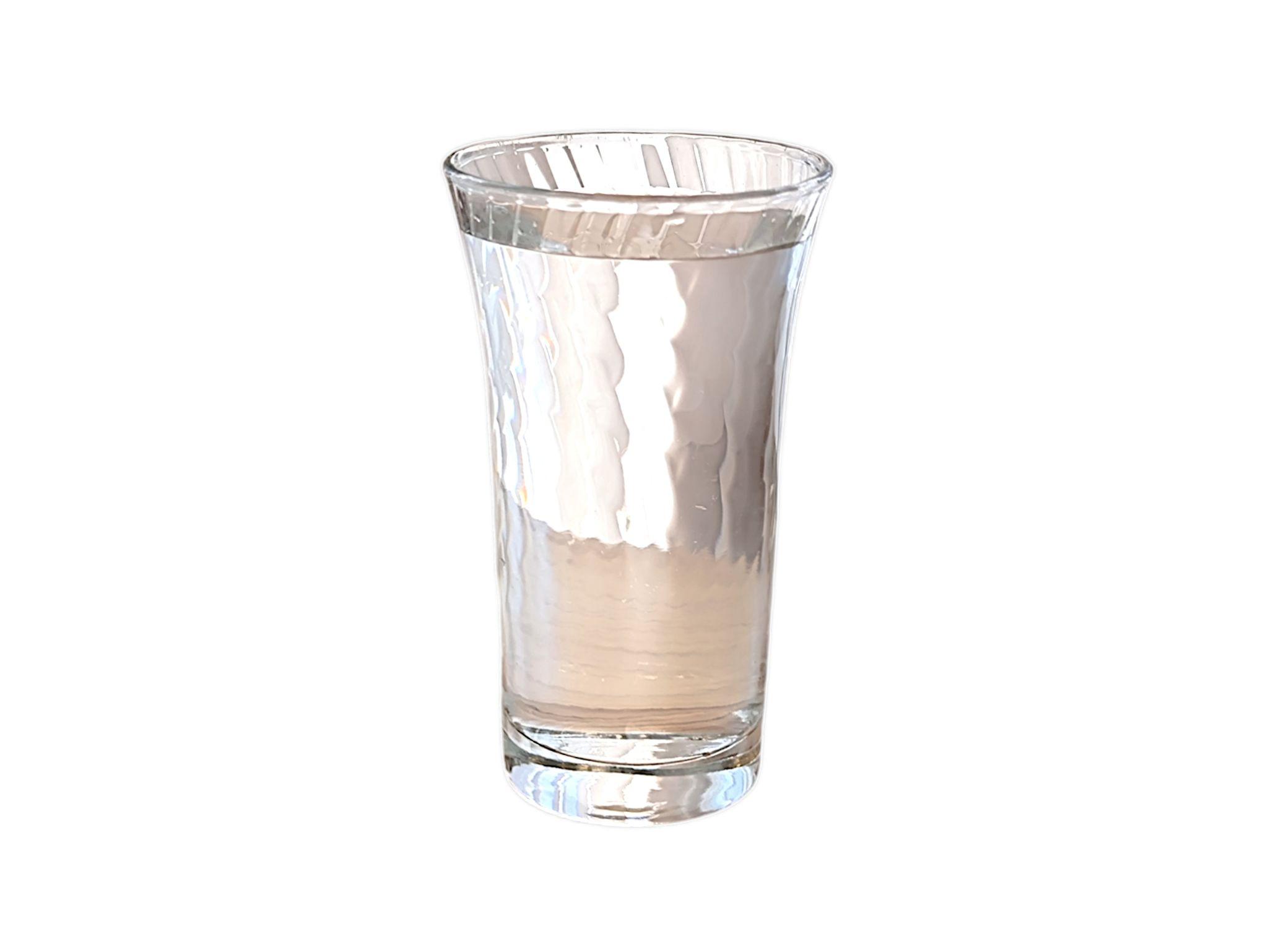
3. Look for Visible Signs of Contamination
Check your water visually:
Cloudiness
Floating particles
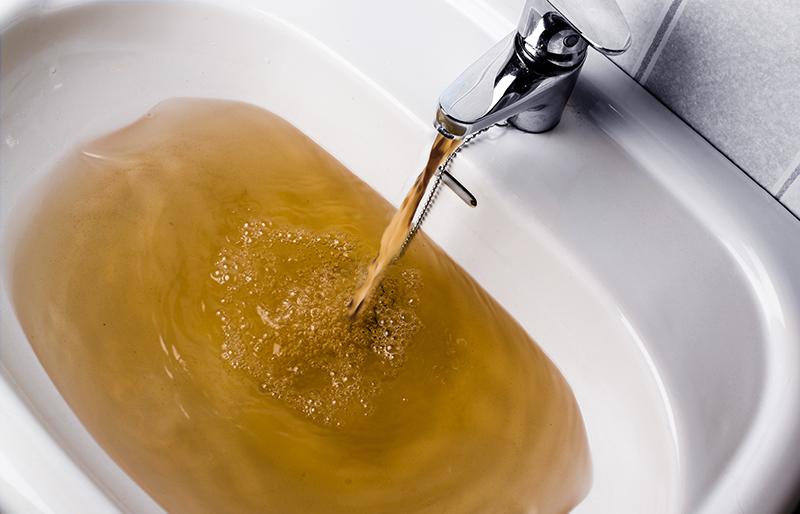
Unusual color (yellow/brown)
👉 These are clear signs your water is unsafe.
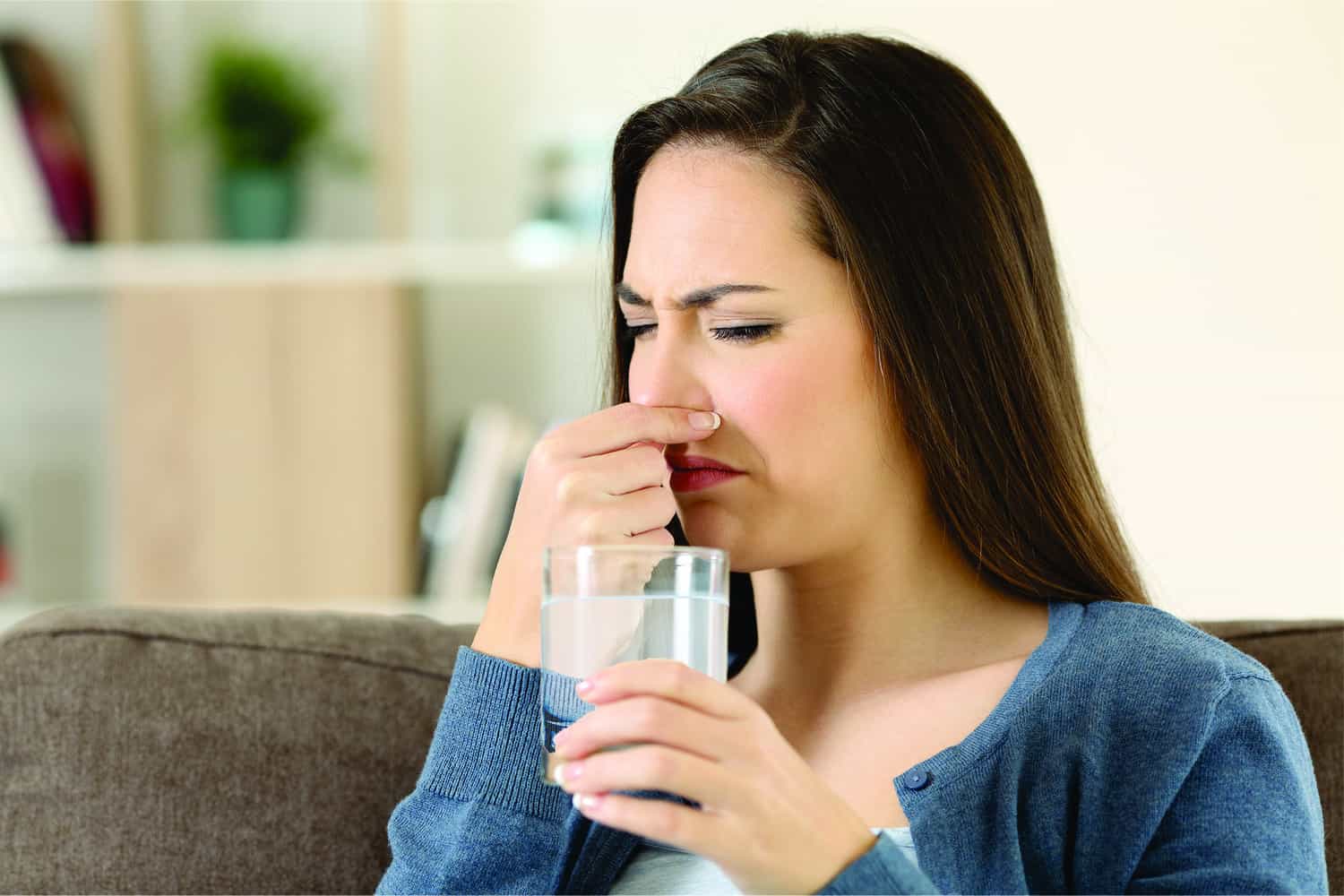
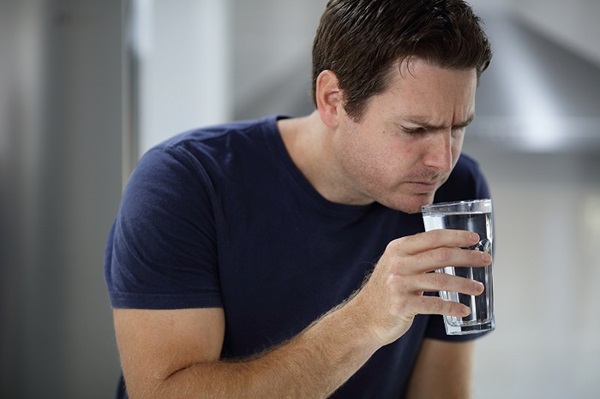
4. Smell and Taste the Water
If your water:
Smells like chlorine
Tastes metallic or bitter
👉 It likely contains chemicals or dissolved metals.
5. Choose the Right Water Purifier Technology
Different purifiers serve different needs:
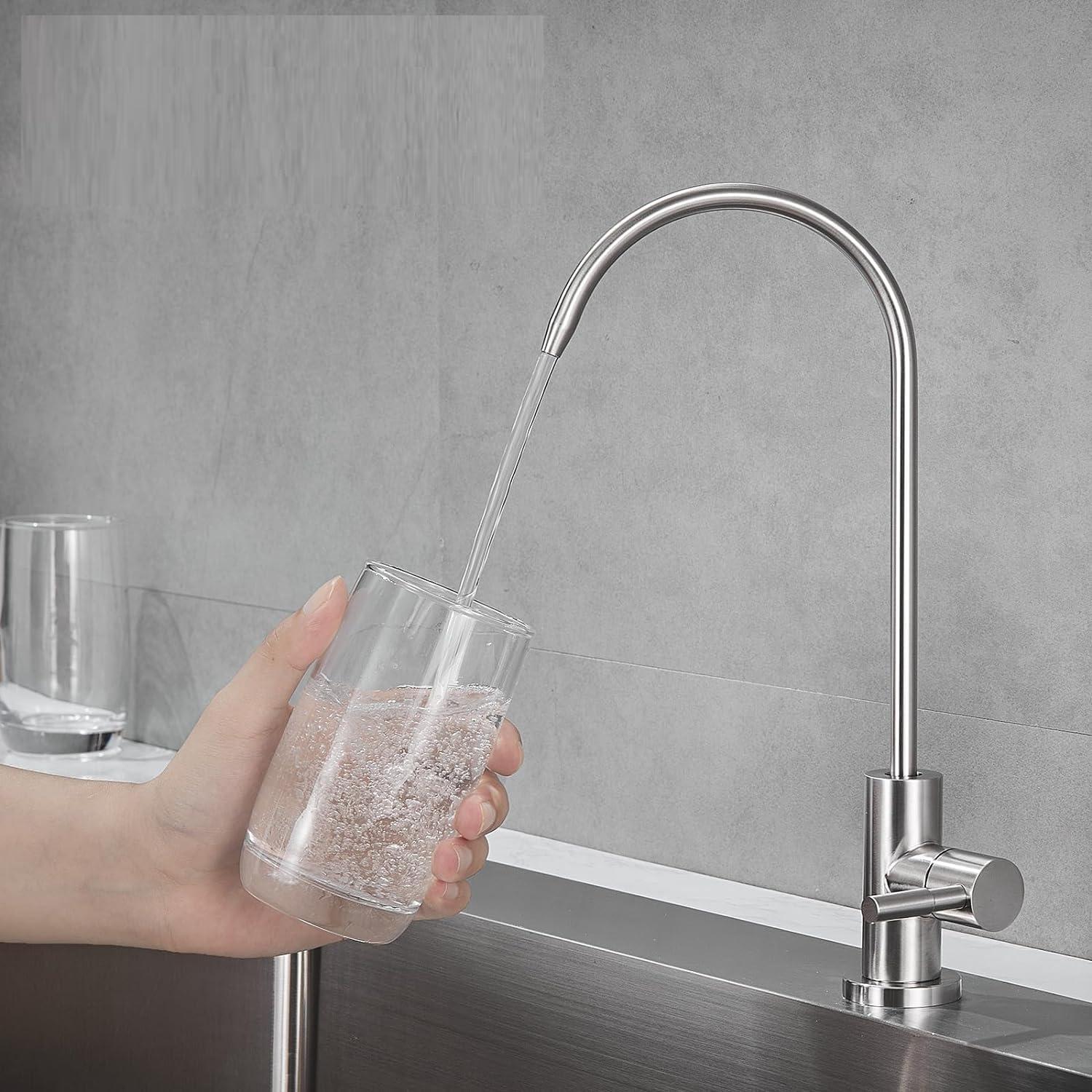
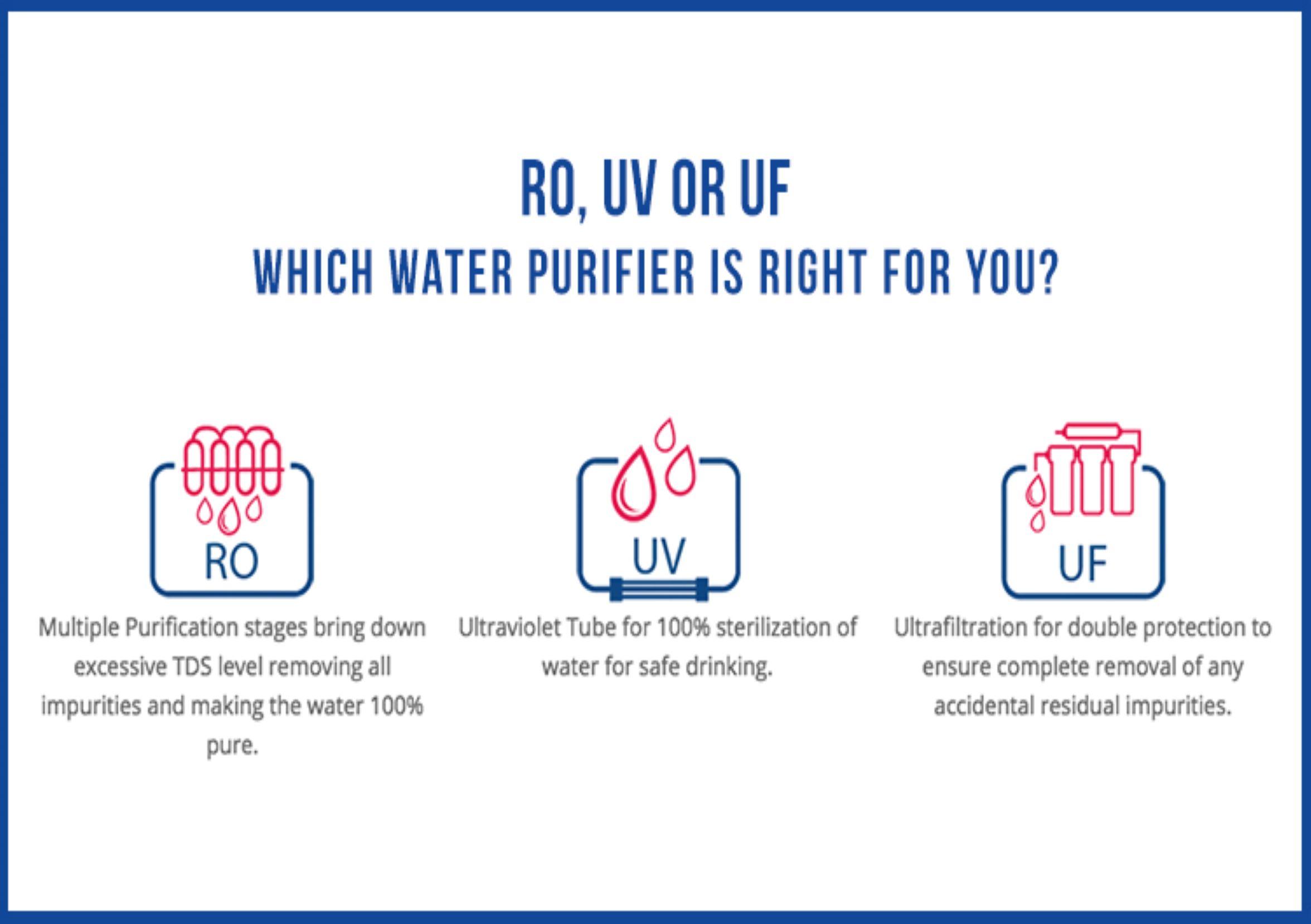
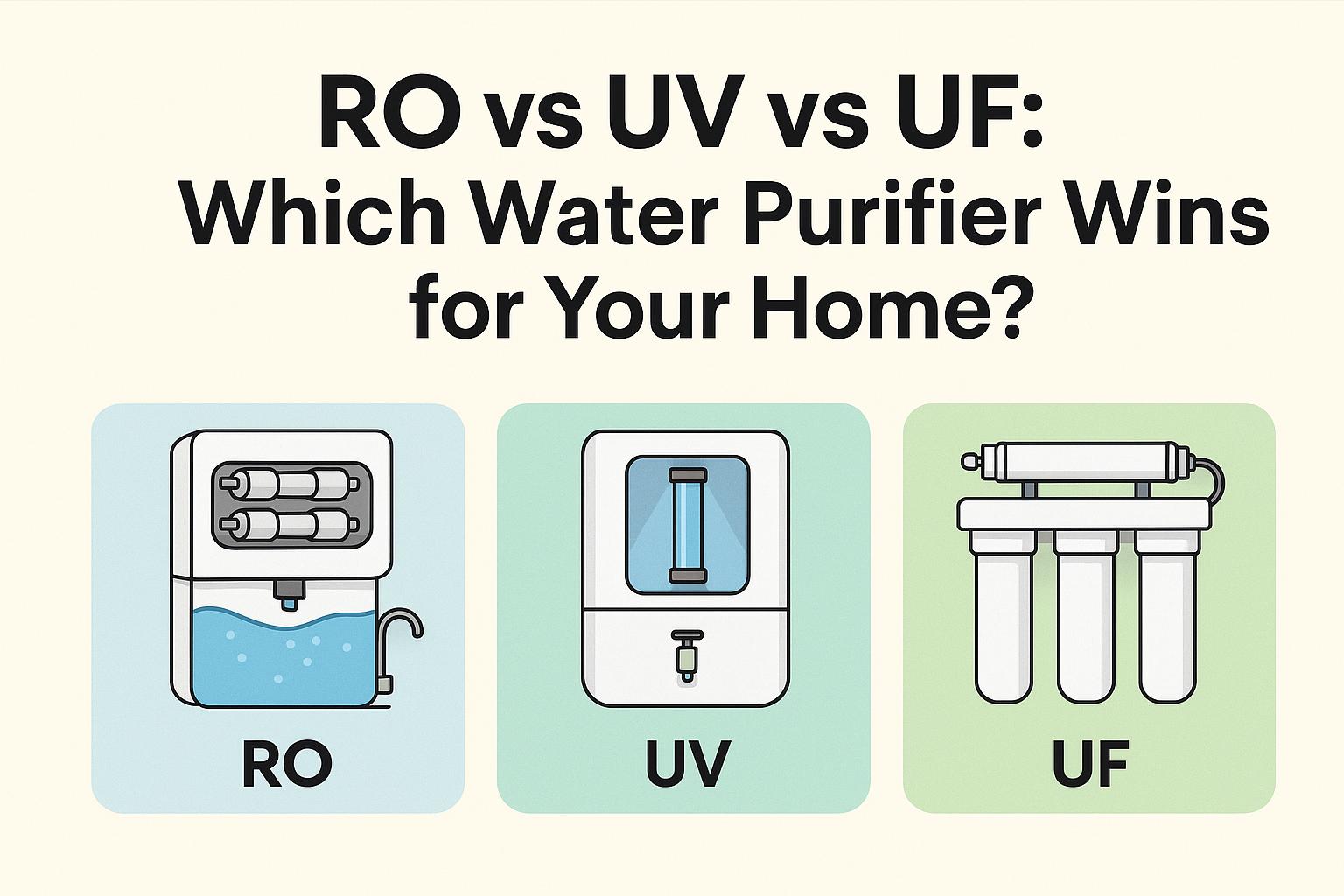
RO (Reverse Osmosis) → Removes TDS, heavy metals
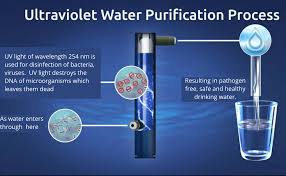
UV (Ultraviolet) → Kills bacteria & viruses
UF (Ultrafiltration) → Removes larger impurities
👉 Best option: Multi-stage purifier (RO + UV + UF) for complete safety.